Featured











Nazlee Maghsoudi argues that Harper's drug policy and aggressive opposition to harm reduction strategies have put the health and safety of Canadians at risk.
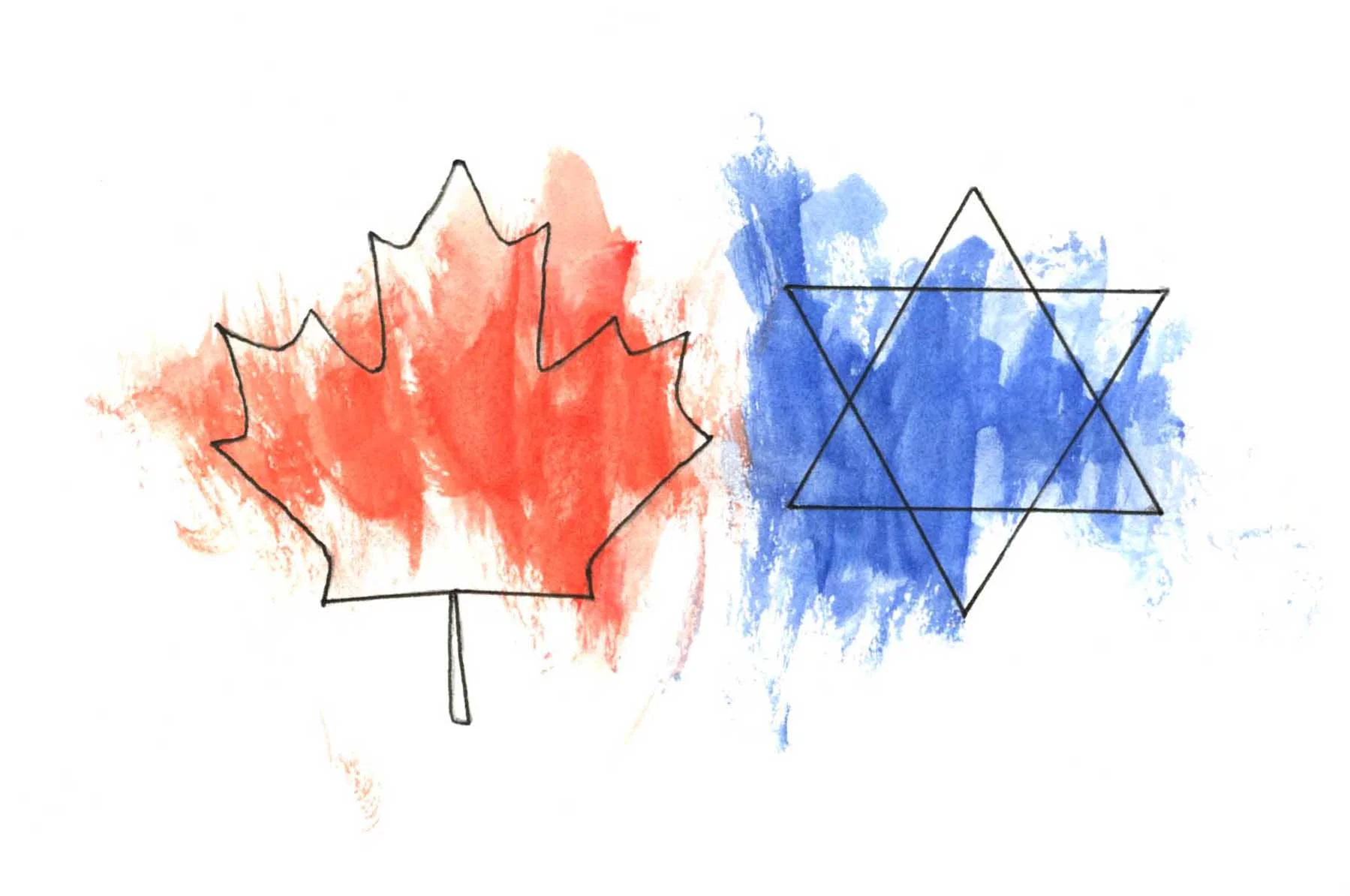
Joseph Rosen examines Harper's cozy friendship with Israel, his truculent attitude towards its detractors, and whether or not this arrangement is truly beneficial to anyone.
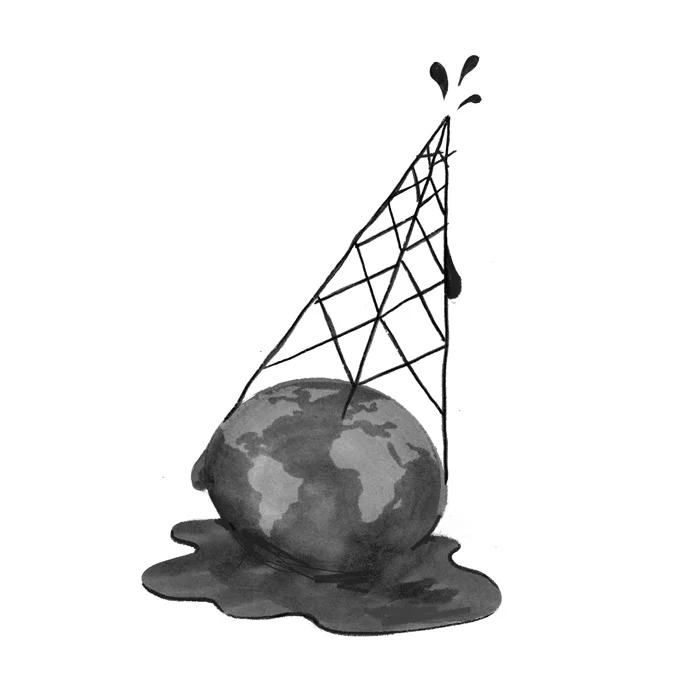
Face aux changements faits par le premier ministre Stephen Harper en environnement depuis son arrivée à la tête du gouvernement en 2006, Eve Bourgeois discute des répercussions de ces politiques sur la scène nationale et internationale.
Paul Heinbecker, a Canadian diplomat and former chief foreign policy advisor to Prime Minister Brian Mulroney, provides an authoritative and comprehensive overview of Harper's foreign policy record.
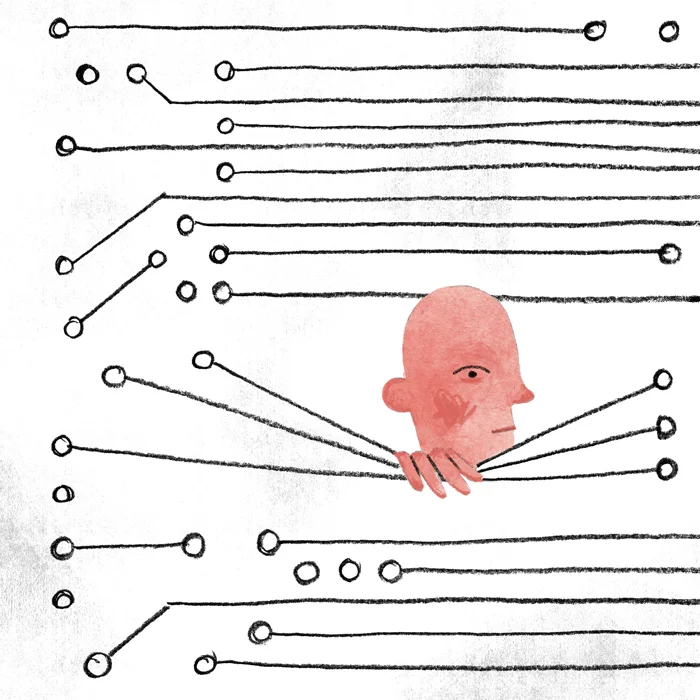
Canadian politics scholar Dave Whitson explains how the Harper government's stubborn, ideological distaste for social science has undermined both the effectiveness and spirit of Canada's once robust public service.
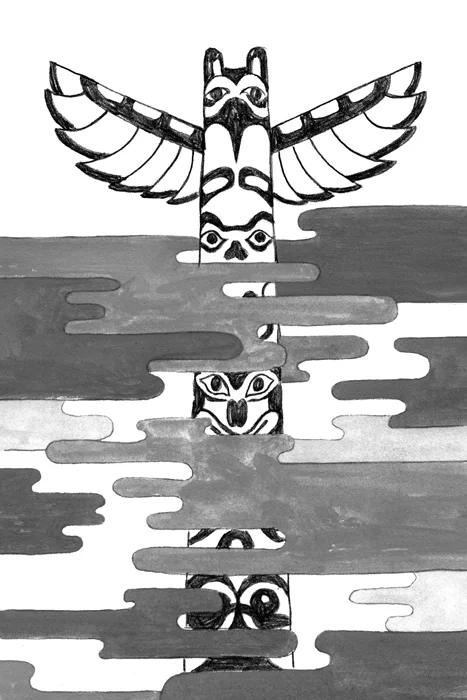
Political philosopher Richard Day offers a stirring overview of the Canadian state's ongoing colonialism, both within our borders and abroad.
Carey Doberstein and Alison Smith argue that the federal government's ambitious plan to tackle homelessness in Canada has been rendered impotent by the pitiful scale of financial investment by the federal government.
Trina Moyles shares a personal account of her development experience in Central America, and reports on the harmful environmental and ethical consequences of Canada's international extractive industry.
Micha Kurz provides a unique perspective on Canada's controversial embrace of Israel — and its rejection of Palestine.
Michael Lynk weighs in on Canada's increasingly close relationship with the State of Israel.
Dr. David Schindler on environmental regulation and public access to scientific information.
Richie Assaly, Amy Sanderson, and Avnish Nanda offer a concluding overview of The Harper Decade, and examine what is at stake on October 19.